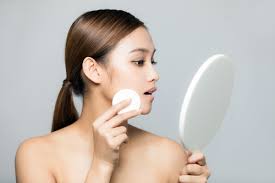
Hydrated skin is the foundation of a healthy, radiant complexion. Yet many people overlook the difference between oily and hydrated skin—both can feel tight, dull, or uncomfortable when lacking moisture. Dehydrated skin occurs when the outer layer loses water, not oil, and it can affect any skin type.
In this guide, we’ll explore 7 clear signs of dehydration and provide practical, easy-to-follow advice on how to rehydrate your skin from the inside and out.
1. Tightness or Stretchy Sensation
One of the most obvious signs of dehydrated skin is a feeling of tightness, especially after cleansing. If your face feels stretched, taut, or less flexible than usual, that’s a signal your skin needs more water.
What to Do:
- Skip harsh, foaming cleansers. Use a gentle, hydrating cleanser with ingredients like glycerin or ceramides.
- Apply a hyaluronic acid serum immediately after patting your skin dry to lock in moisture.
2. Flakiness or Patchy Areas
When skin lacks water, it can’t shed dead cells efficiently, leading to visible flakes or areas that appear rough and chalky. This is particularly common on the cheeks, forehead, or around the eyes.
What to Do:
- Incorporate a mild exfoliant 1–2 times per week (like a low-concentration AHA or BHA) to remove surface debris.
- Follow with a rich moisturizer or nourishing mask to replenish hydration.
3. Itchy or Sensitive Skin
Dehydrated skin often compromises its barrier function, making it more prone to itching, redness, and irritation. External factors like wind, low humidity, or central heating can worsen this.
What to Do:
- Choose fragrance-free, barrier-repair moisturizers (look for ceramides, niacinamide).
- Apply soothing ingredients like aloe vera or oat extract.
4. Fine Lines or Crepey Texture
Unlike deeper wrinkles, fine dehydration lines appear when the skin’s surface plumps up slightly but temporarily after hydrating—only to return when moisture evaporates.
What to Do:
- Use layered hydration: hyaluronic acid, followed by a richer cream to seal.
- Apply a facial mist during the day to refresh hydration.
- Stay consistent with your skincare routine.
5. Dull, Lackluster Appearance
Dehydrated skin tends to lose its natural luminosity. Accumulated dead cells and lack of hydration reflect light less effectively, making the complexion appear flat or lackluster.
What to Do:
- Introduce a vitamin C serum to brighten and enhance radiance.
- Use gentle exfoliation and hydrating masks once or twice a week.
- Drink enough water throughout the day.
6. Increased Oiliness Despite Dryness
It may seem counterintuitive, but dehydrated skin can produce more oil as a compensatory mechanism. Your skin may look shiny or feel greasy, yet still lack actual hydration.
What to Do:
- Avoid stripping cleansers that remove natural oils.
- Opt for non-comedogenic hydrating products.
- Apply lightweight, water-based moisturizers to balance moisture without clogging pores.
7. Makeup Looks Patchy or Settles Into Lines
If your foundation or concealer breaks apart, cracks, or clings to dry patches, dehydrated skin is likely the reason. Makeup looks better when applied over well-moisturized skin.
What to Do:
- Prep skin with a hydrating primer or mist before applying makeup.
- Use hydrating or cushion foundations rather than powders.
- Blend foundation with fingertips or a damp makeup sponge for a seamless finish.
How to Rehydrate Your Skin: A Simple Routine
Here’s a suggested routine to help restore hydration and prevent future dehydration:
Morning
- Gentle cleanser
- Hydrating toner or essence
- Hyaluronic acid serum
- Lightweight moisturizer
- Sunscreen SPF 30 or higher
Evening
- Double cleanse if you’ve worn makeup or sunscreen
- Hydrating toner
- Treatment serum (niacinamide, vitamin C, etc.)
- Hyaluronic acid layer
- Richer moisturizer or oil blend
- Eye cream if needed
Weekly Add-Ons
- Gentle exfoliation (AHA or BHA) once or twice a week
- Hydrating sheet mask or overnight mask once a week
Additional Tips for Long-Term Hydration
Stay Hydrated Internally
- Aim for 2–3 liters of water per day depending on climate and activity level.
- Include water-rich foods like cucumbers, watermelon, and soups.
Protect Your Skin Barrier
- Use humidifiers in dry environments.
- Limit hot showers or steam that can strip moisture.
- Wear protective clothing and sunscreen outdoors.
Lifestyle Factors Matter
- Manage stress (via meditation, walks, or gentle exercise).
- Prioritize quality sleep (7–9 hours per night).
- Eat antioxidant-rich foods and healthy fats that support skin structure.
When to Seek Professional Help
If despite consistent routine adjustments, your skin remains tight, flaky, or irritated for several weeks, consider consulting a dermatologist. They can evaluate deeper issues such as:
- Compromised skin barrier (eczema, dermatitis)
- Dehydration masking underlying conditions like rosacea or psoriasis
- Hormonal imbalances or nutritional deficiencies
Conclusion
Dehydrated skin is a common concern—but one that can be addressed effectively with simple, consistent habits. From hydrating serums and gentle exfoliation to mindful lifestyle choices, restoring your skin’s moisture balance is entirely achievable.
When your skin feels supple, looks radiant, and applies makeup smoothly, it’s a clear sign you’re giving it the hydration it craves. Start with one change at a time and watch your skin regain its natural glow—healthier, happier, and truly hydrated.