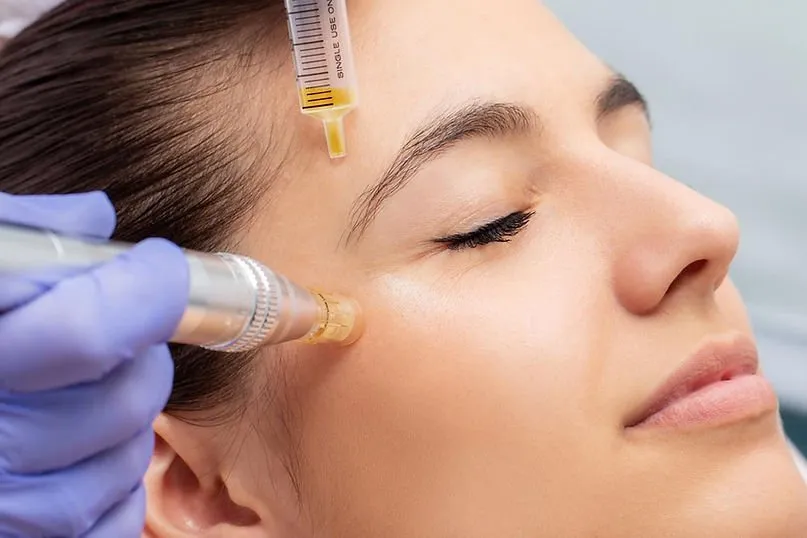
When it comes to achieving smoother, clearer, and more youthful skin, chemical peels continue to be one of the most trusted and effective non-invasive treatments. Whether you’re dealing with stubborn acne scars or the visible signs of aging, a professionally performed peel can help refresh your complexion without surgery or long recovery times.
In this post, we’ll break down exactly what chemical peels are, how they work, and the specific benefits they offer for acne scars and aging skin. We’ll also explore the types of peels available, what to expect during the process, and important aftercare tips.
What Is a Chemical Peel?
A chemical peel is a dermatological treatment that uses a specially formulated acid solution to exfoliate the outer layers of the skin. This controlled peeling process stimulates skin regeneration, revealing new, healthier skin cells underneath.
How It Works:
- A professional applies the acid solution to the face (or another treatment area).
- It breaks down the bonds between dead skin cells.
- Over the following days, the skin sheds or peels, allowing smoother skin to emerge.
Chemical peels range in strength from superficial (light) to deep, depending on your skin’s condition and goals.
Key Benefits of Chemical Peels
1. Reduces the Appearance of Acne Scars
Acne scars, especially those that are shallow or pigmented, can significantly fade with repeated chemical peels.
How peels help:
- Stimulate collagen production, improving skin texture
- Fade hyperpigmentation left by acne
- Smooth out uneven skin caused by past breakouts
For best results, medium-depth peels or a series of light peels may be recommended.
2. Minimizes Fine Lines and Wrinkles
One of the most common reasons people turn to chemical peels is to address signs of aging.
Peels can:
- Diminish fine lines, especially around the mouth and eyes
- Improve skin elasticity over time
- Encourage the production of new, firmer skin
Deep peels may be recommended for more prominent wrinkles, but lighter peels done consistently also deliver excellent anti-aging benefits.
3. Evens Out Skin Tone
Years of sun exposure or acne can leave your skin with uneven patches, dark spots, or redness.
Chemical peels help by:
- Removing damaged surface cells
- Lightening areas of melasma or sun spots
- Creating a more uniform complexion
This makes them ideal for people struggling with post-inflammatory hyperpigmentation or general blotchiness.
4. Improves Skin Texture
Rough or bumpy skin can be smoothed through the exfoliating power of peels.
Regular treatments can:
- Refine enlarged pores
- Make skin feel softer and smoother
- Enhance your skin’s absorption of skincare products
5. Boosts Confidence
Perhaps one of the most underrated benefits is how clear, glowing skin affects your self-esteem. Many people report feeling more confident after even a single session, especially if they’ve battled with acne scars for years.
Types of Chemical Peels
🔹 Light Peels
- Use mild acids like glycolic or lactic acid
- Target the outermost layer of skin
- Little to no downtime
- Best for mild discoloration, dryness, and texture issues
🔹 Medium Peels
- Often use trichloroacetic acid (TCA)
- Penetrate deeper into the skin
- Require a few days of recovery
- Better for acne scars, moderate wrinkles, and pigmentation
🔹 Deep Peels
- Use stronger acids like phenol
- Reach deep skin layers
- Require significant downtime (1–2 weeks)
- Reserved for severe wrinkles or deep scarring
⚠️ Deep peels should only be performed by a licensed and experienced dermatologist due to their intensity and potential risks.
What to Expect During and After a Chemical Peel
🧴 During the Treatment:
- Your skin is cleansed
- The chemical solution is applied
- You might feel mild stinging or tingling
- The peel stays on for a set time, then is neutralized or removed
🧘 Aftercare and Recovery:
- Mild peels: Some redness, light flaking
- Medium peels: Peeling for 5–7 days, slight swelling
- Deep peels: Redness, swelling, and peeling for up to 2 weeks
💡 Aftercare Tips:
- Avoid sun exposure and always wear SPF
- Moisturize frequently
- Avoid picking at peeling skin
- Follow your provider’s instructions strictly
Who Should Consider a Chemical Peel?
Chemical peels are generally safe for most skin types, though some individuals should proceed with caution.
Good candidates:
- People with mild to moderate acne scars
- Those looking to reduce early signs of aging
- Individuals with sun damage or uneven tone
Not ideal for:
- Active acne or infections
- Pregnant or breastfeeding individuals (some acids are not recommended)
- People with very sensitive or reactive skin (consult a dermatologist first)
Professional vs. At-Home Peels
While there are over-the-counter peels available, professional treatments are:
- More effective
- Customizable to your skin type and goals
- Safer (especially medium or deep peels)
At-home products can help maintain results, but for acne scars or deep wrinkles, professional guidance is key.
Conclusion: Are Chemical Peels Worth It?
Yes—chemical peels are a powerful option for anyone looking to address acne scars, aging skin, or uneven texture. They offer a non-invasive, science-backed way to refresh your appearance with minimal risk when performed by a trained professional.
By choosing the right peel strength and following aftercare instructions, you can enjoy a smoother, brighter, and more youthful complexion—and feel more confident in your skin.
If you’re considering this treatment, consult with a certified dermatologist or licensed aesthetician to see what type of peel is right for you.