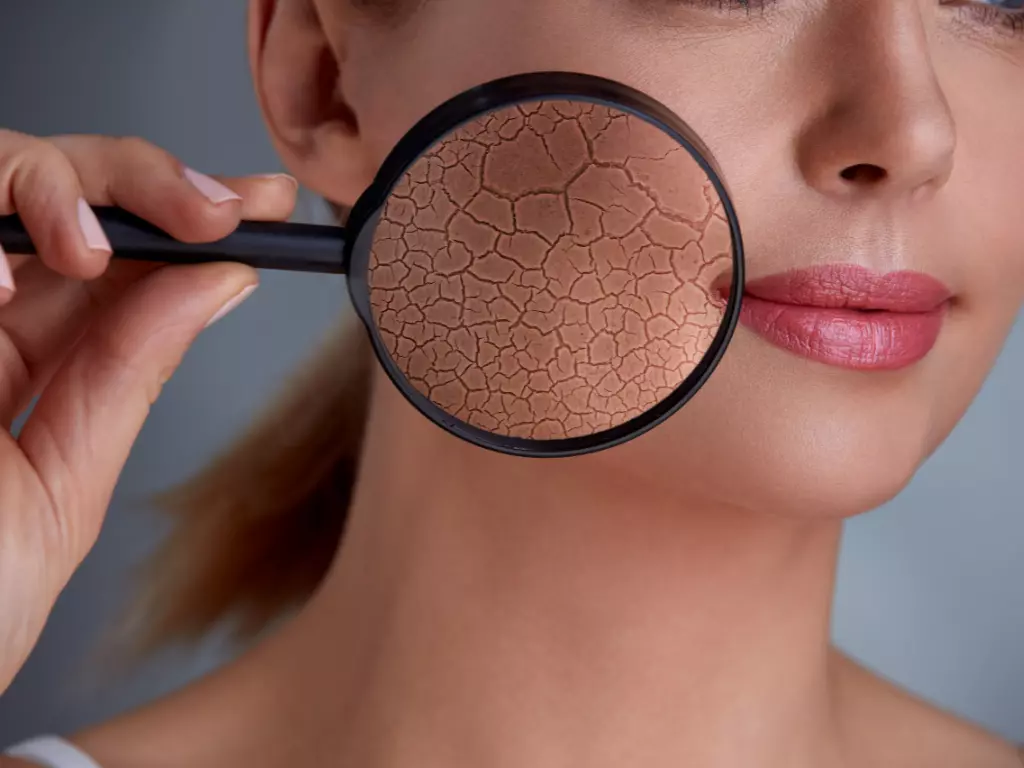
Healthy, glowing skin doesn’t always require expensive treatments or complex routines. In fact, some of the most effective ways to improve your skin come from simple, consistent daily habits. By supporting your skin naturally from the inside out, you can boost its strength, clarity, and resilience over time.
In this guide, we’ll explore practical, natural habits you can start today to promote healthier skin—no harsh chemicals or invasive treatments required.
Why Natural Habits Matter for Skin Health
While skincare products play a role in managing skin conditions or signs of aging, your skin’s long-term health depends heavily on your daily lifestyle choices. Natural habits are sustainable, affordable, and help your body work in harmony with its own systems to maintain healthy skin.
Let’s break down the most impactful habits you can adopt.
1. Stay Hydrated Throughout the Day
Why It Helps
Water is essential for maintaining your skin’s elasticity, suppleness, and natural glow. Dehydrated skin appears dull, tight, and more prone to fine lines.
Tips for Better Hydration
- Aim for 6–8 glasses of water daily.
- Add cucumber or lemon slices for flavor and extra antioxidants.
- Reduce intake of sugary or caffeinated beverages that may dehydrate you.
2. Prioritize Quality Sleep
Why It Helps
Your skin repairs itself during sleep, producing new collagen and restoring hydration balance. Lack of sleep increases cortisol, which may lead to breakouts, puffiness, or premature aging.
Sleep Habits to Follow
- Get 7–9 hours of sleep per night.
- Sleep on a clean pillowcase to reduce bacteria exposure.
- Elevate your head slightly to help with circulation and reduce morning swelling.
3. Eat a Balanced, Skin-Friendly Diet
Why It Helps
What you eat directly affects your skin. Nutrient-rich foods help prevent inflammation, support collagen production, and protect against oxidative stress.
Best Foods for Healthy Skin
- Fruits and vegetables: Rich in antioxidants like vitamin C.
- Healthy fats: Avocados, nuts, seeds, and olive oil.
- Omega-3s: Found in salmon, chia seeds, and flaxseeds.
- Zinc and selenium: Found in whole grains and legumes.
Foods to Limit
- Refined sugars and white carbs
- Excess dairy (if acne-prone)
- Processed snacks and fried foods
4. Cleanse Your Skin Gently Every Day
Why It Helps
Cleansing removes dirt, oil, and environmental pollutants. However, over-cleansing or using harsh products can strip your skin of its natural barrier.
Gentle Cleansing Habits
- Wash your face twice a day (morning and night).
- Use lukewarm water—not hot, which can dry the skin.
- Choose a mild, pH-balanced cleanser without alcohol or sulfates.
5. Protect Your Skin from the Sun
Why It Helps
UV rays are one of the leading causes of premature aging, pigmentation, and skin cancer—even on cloudy days.
Daily Sun Protection Habits
- Apply broad-spectrum SPF 30+ every morning.
- Reapply sunscreen every 2 hours if outdoors.
- Wear hats, sunglasses, and protective clothing when needed.
6. Manage Stress Effectively
Why It Helps
Chronic stress triggers inflammation and can worsen skin issues like acne, eczema, and psoriasis. Stress also affects sleep and hormone balance.
Stress-Reducing Habits
- Practice deep breathing or meditation.
- Get regular physical activity—even short walks help.
- Take time daily to disconnect from screens and recharge.
7. Moisturize Consistently
Why It Helps
Moisturizers help lock in hydration and support your skin’s natural barrier. Even oily or acne-prone skin benefits from the right moisturizer.
Moisturizing Tips
- Apply immediately after cleansing to lock in moisture.
- Choose ingredients like hyaluronic acid, ceramides, or glycerin.
- Use a lighter formula in the morning and a richer one at night, if needed.
8. Avoid Touching Your Face
Why It Helps
Your hands carry bacteria and oils that can clog pores and trigger breakouts. Constantly touching your face may also spread irritants.
How to Break the Habit
- Be mindful of resting your chin or cheeks on your hands.
- Keep your phone screen clean.
- Wash your hands frequently throughout the day.
9. Be Consistent with Your Routine
Why It Helps
Natural improvements to skin health don’t happen overnight. Regular, gentle care makes the biggest difference over time.
Keep It Simple
- Stick to a basic daily routine: cleanse, moisturize, protect.
- Avoid frequently switching products.
- Give your skin 2–4 weeks to adjust before evaluating a product.
10. Get Moving
Why It Helps
Exercise boosts circulation, helping deliver oxygen and nutrients to your skin. It also helps flush out toxins through sweat and reduces stress.
Movement Ideas
- 30 minutes of brisk walking, yoga, or dancing
- Stretching or light cardio at home
- Outdoor activities for added vitamin D (just don’t skip the SPF!)
Conclusion: Your Skin Reflects Your Lifestyle
Beautiful skin isn’t only about what you put on your face—it’s about the choices you make every day. By adopting these natural habits, you’re not just improving your skin’s appearance but also supporting its long-term health from within.
Start small, stay consistent, and listen to your body. Over time, your skin will thank you with a natural glow that no product alone can provide.