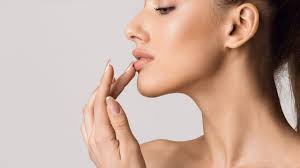
Lip fillers have become one of the most popular non-surgical cosmetic treatments in the world, known for enhancing lip volume, shape, and symmetry. But while they’re often portrayed as quick and easy, there’s a lot more to consider before booking your appointment.
Whether you’re thinking about subtle definition or a more noticeable plump, it’s essential to know what the process involves. This guide walks you through what to expect before, during, and after getting lip fillers—so you can make an informed, confident decision.
What Are Lip Fillers?
Lip fillers are injectable treatments, most commonly made from hyaluronic acid (HA)—a substance naturally found in your skin. HA fillers add volume, retain moisture, and help shape the lips in a safe and controllable way. Brands like Juvederm, Restylane, and Belotero are among the most frequently used.
Before the Procedure: How to Prepare
1. Choose a Qualified Provider
The success and safety of your results depend greatly on who performs the procedure. Choose a licensed medical professional with experience in facial aesthetics.
Check for:
- Medical credentials and certifications
- Before-and-after photos of actual patients
- Reviews and patient testimonials
- A clean, professional clinical environment
2. Schedule a Consultation
Before any injection, a consultation is essential. Your provider will:
- Assess your facial structure and natural lip shape
- Discuss your aesthetic goals
- Explain what’s realistic
- Review your medical history, allergies, and any medications you take
3. Avoid Certain Substances
To minimize bruising and swelling, avoid these for at least 3–5 days before treatment:
- Alcohol
- Aspirin or ibuprofen (unless prescribed)
- Vitamin E or fish oil supplements
Stay hydrated and eat well the day before your appointment.
During the Procedure: What Happens in the Clinic
Step 1: Numbing
Most clinics apply a topical numbing cream 15–30 minutes before the injection. Some fillers also contain lidocaine to make the process more comfortable.
Step 2: Injection
Using a very fine needle or cannula, the provider will inject the filler into targeted areas of the lips—such as the border (vermillion), cupid’s bow, or center for volume.
Step 3: Sculpting
The injector may massage or shape the lips to ensure smooth, even results. The entire session typically takes 20 to 45 minutes.
What It Feels Like
You may feel mild pressure or pinching, but most patients report only minimal discomfort, thanks to numbing and a gentle technique.
After the Procedure: Recovery and Care
1. Immediate Effects
You’ll see results almost instantly, although lips may look swollen or slightly uneven at first. This is normal and temporary.
2. Common Side Effects
- Swelling (especially first 24–48 hours)
- Mild bruising at injection sites
- Tenderness or firmness
- Small lumps (usually resolve on their own)
3. What to Avoid After Lip Fillers
To help your lips heal properly and avoid complications:
First 24–48 Hours:
- No kissing or touching the lips
- Avoid makeup on the area
- Don’t exercise intensely or get overheated
- Avoid alcohol, spicy food, or salty snacks
- Sleep on your back with your head elevated
First Week:
- Avoid dental work or facial massages
- Be gentle when washing your face
- Skip steam rooms and saunas
How Long Do Lip Fillers Last?
Most hyaluronic acid fillers last between 6 to 12 months, depending on:
- The product used
- Your metabolism
- Your lifestyle (e.g., sun exposure, smoking, hydration)
Some patients require a touch-up after a few weeks for symmetry or volume adjustment. Regular maintenance treatments can help you maintain your look.
Are Lip Fillers Safe?
When performed by a trained professional, lip fillers are generally safe and FDA-approved. However, like any cosmetic procedure, there are potential risks.
Possible Risks and Complications
- Prolonged swelling or bruising
- Lumps or uneven texture
- Vascular occlusion (rare but serious)
- Allergic reactions (very rare with HA fillers)
Tip: Always choose a clinic that uses reversible fillers. Hyaluronic acid fillers can be dissolved with an enzyme called hyaluronidase if needed.
Who Should Avoid Lip Fillers?
You may not be a good candidate for lip fillers if you:
- Are pregnant or breastfeeding
- Have an active skin infection or cold sore outbreak
- Have severe allergies or bleeding disorders
- Have unrealistic expectations
Always disclose your full health history to your injector.
Natural-Looking vs. Dramatic Results
Your final look depends on your goals and anatomy, but most providers aim for natural, balanced enhancement. If it’s your first time, you might want to start with a subtle change and gradually build up over time.
Don’t be afraid to ask for before-and-after comparisons or bring reference photos to your consultation.
Conclusion: Confidence Through Informed Choices
Lip fillers can be a fantastic way to enhance your natural beauty and boost your confidence—when done right. Understanding what to expect before, during, and after the procedure helps reduce anxiety and ensures a smoother experience.
Remember: it’s your face. Take your time, choose a skilled professional, and follow post-care instructions carefully. When approached responsibly, lip fillers can be a safe, rewarding step in your aesthetic journey.