Microneedling has become one of the most popular skin rejuvenation treatments in recent years. Promoted as a non-invasive solution for fine lines, acne scars, and dull skin, many people wonder if it truly delivers on its promises. In this article, we’ll take a close, realistic look at how microneedling works, what benefits it offers, what to expect during the process, and whether it’s worth considering as part of your skincare journey.
What Is Microneedling?
Microneedling, also known as collagen induction therapy, is a minimally invasive cosmetic procedure. It involves using a device with very fine needles to create controlled micro-injuries on the skin’s surface. These tiny punctures stimulate the body’s natural wound-healing process, which leads to increased collagen and elastin production—two essential proteins for youthful, firm skin.
How the Process Works
- Preparation: The skin is cleansed and numbed with a topical anesthetic to minimize discomfort.
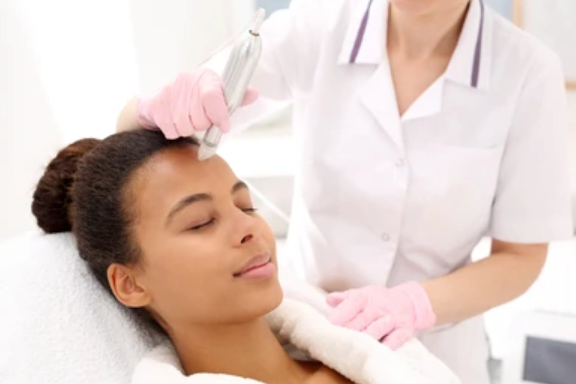
- Treatment: A microneedling device—either a dermaroller or an automated pen—is gently moved across the treatment area.
- Healing: Over the following days and weeks, the skin heals and remodels itself, producing new, healthy skin tissue.
Microneedling is typically done in a series of sessions spaced a few weeks apart, depending on the skin concern being treated.
Main Benefits of Microneedling
Microneedling is praised for its versatility. It’s used on the face, but also effective on the neck, décolletage, and even hands. Here are some of the primary benefits:
1. Reduces Fine Lines and Wrinkles
By boosting collagen production, microneedling can help plump up the skin and reduce the appearance of fine lines, especially around the eyes and mouth.
2. Improves Skin Texture and Tone
Microneedling enhances skin smoothness and brightness by promoting cell turnover and minimizing pores.
3. Minimizes Acne Scars and Hyperpigmentation
This treatment can help break down scar tissue while stimulating healthy skin renewal, leading to more even skin tone and reduced appearance of dark spots or post-acne marks.
4. Enhances Product Absorption
After microneedling, your skin is more receptive to serums and moisturizers, making your skincare routine more effective.
5. Safe for Most Skin Types
Unlike laser treatments, microneedling doesn’t rely on heat, so it’s considered safe for a variety of skin tones with a lower risk of hyperpigmentation.
What to Expect Before, During, and After Treatment
Understanding what happens during a microneedling session can help set realistic expectations and reduce anxiety.
Before the Procedure
- Avoid exfoliants and retinoids 2–3 days before your session.
- Make sure your skin is clean and free of active infections or breakouts.
- Discuss any medications or skin conditions with your provider.
During the Procedure
- A session usually takes 30–60 minutes.
- You may feel slight pressure or a sandpaper-like sensation.
- Most people report mild discomfort, but it’s generally well tolerated with numbing cream.
After the Procedure
- Expect redness, mild swelling, or a sunburned appearance for 1–3 days.
- Avoid makeup and sun exposure for at least 24–48 hours.
- Skin may peel slightly as it heals—this is normal and temporary.
Results usually begin to appear within 1–2 weeks, with more noticeable improvements after multiple sessions.
Are There Any Risks or Side Effects?
Microneedling is generally considered safe when performed by a qualified professional. However, some side effects can occur:
- Temporary redness and sensitivity
- Slight bleeding or bruising (rare)
- Risk of infection if aftercare is not followed
- Not suitable for active acne or certain skin conditions like eczema
Always choose a licensed and experienced provider to reduce risks.
At-Home vs. Professional Microneedling: What’s the Difference?
You may have seen at-home dermarollers available online or in beauty stores. While these tools are less invasive, they also deliver less noticeable results.
Key Differences:
| Feature | At-Home Devices | Professional Treatment |
|---|---|---|
| Needle Depth | 0.2–0.5 mm | Up to 2.5 mm |
| Results | Subtle | More significant |
| Risk of Complications | Moderate (if misused) | Low (when performed safely) |
| Best For | Product absorption | Acne scars, wrinkles, pigmentation |
If you’re looking for real skin rejuvenation, professional microneedling is the better option.
Is Microneedling Really Effective?
Yes—when done correctly and consistently, microneedling can offer impressive skin improvements. It’s not a quick fix, but with patience and proper care, the results can be long-lasting.
It’s especially effective for:
- Mild to moderate acne scarring
- Early signs of aging
- Skin dullness or rough texture
However, it may not be the best solution for deep wrinkles, severe scarring, or active skin infections. In these cases, other treatments like laser resurfacing or chemical peels may be more appropriate.
Conclusion: Is Microneedling Worth It?
Microneedling has earned its reputation as a reliable and relatively low-risk option for skin rejuvenation. While it doesn’t deliver instant results, it can significantly improve your skin’s appearance over time. With minimal downtime, it offers a great balance between results and recovery—especially when done by a trained professional.
Whether you’re targeting acne scars, fine lines, or dullness, microneedling may be worth considering as part of your skincare plan.