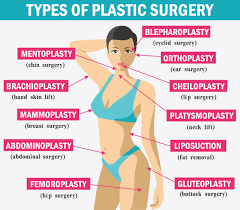
Cosmetic surgery has become increasingly popular around the world, with millions of procedures performed each year. While motivations vary—from enhancing self-confidence to correcting physical features that affect quality of life—the goal remains the same: to improve appearance through safe and effective surgical methods.
This article provides a clear and neutral overview of the most common types of cosmetic surgeries. It is intended purely for educational purposes and does not promote or recommend any specific procedures or providers.
1. Rhinoplasty (Nose Surgery)
Rhinoplasty, often referred to as a «nose job,» is a surgical procedure aimed at reshaping or resizing the nose. It can be done for aesthetic reasons, such as reducing a bump, refining the tip, or adjusting proportions. It is also sometimes performed to correct breathing problems related to nasal structure.
The procedure is usually performed under general anesthesia, and recovery takes about one to two weeks, though final results may take several months to become fully visible. Scarring is minimal, especially when done through a closed (internal) approach.
2. Liposuction
Liposuction is designed to remove localized fat deposits that are resistant to diet and exercise. It is not a weight-loss procedure but rather a contouring method. Common target areas include the abdomen, thighs, buttocks, arms, and neck.
The procedure involves inserting a thin tube (cannula) under the skin to break up and suction out fat. There are different techniques—traditional, laser-assisted, or ultrasound-assisted—depending on the area and patient profile. Swelling and bruising are common during recovery, and compression garments are often recommended for several weeks.
3. Facelift (Rhytidectomy)
A facelift is a surgical procedure that aims to reduce signs of aging in the face and neck. It addresses sagging skin, deep wrinkles, jowls, and other age-related changes by tightening underlying tissues and removing excess skin.
Facelifts can vary in intensity—from full facelifts to mini-lifts or targeted lifts (such as the neck lift). The procedure generally involves incisions around the ears and hairline. Recovery time is typically two to four weeks, with final results appearing after swelling subsides. While it does not stop the aging process, it can make a person look significantly more refreshed.
4. Breast Augmentation
Breast augmentation is one of the most commonly performed cosmetic surgeries. It involves increasing breast size through implants (usually silicone or saline) or, in some cases, fat transfer. Some patients seek this procedure for aesthetic enhancement, while others undergo it after pregnancy, weight loss, or mastectomy.
Surgery usually takes one to two hours and is done under general anesthesia. Most patients return to work within a week, although heavy physical activity should be avoided for about a month. Implant placement and size should be discussed thoroughly with a qualified professional, as outcomes and risks vary.
5. Blepharoplasty (Eyelid Surgery)
Blepharoplasty corrects drooping eyelids or removes under-eye bags. It can be performed on the upper eyelids, lower eyelids, or both. While often done for cosmetic reasons, it can also have functional benefits—such as improving vision when sagging lids obstruct the visual field.
The procedure involves removing or repositioning excess skin, muscle, and fat. It is often done under local anesthesia with sedation. Recovery is relatively quick, usually within 10–14 days, although mild swelling and bruising may last longer.
6. Abdominoplasty (Tummy Tuck)
Abdominoplasty involves removing excess skin and fat from the abdominal area and tightening the underlying muscles. It is often sought by individuals who have experienced significant weight loss or pregnancy and are left with loose skin that cannot be addressed through exercise alone.
This is a more invasive procedure and typically requires several weeks of recovery. Temporary drains may be placed to remove fluid, and wearing a support garment is usually necessary. While it results in a scar, many patients consider it worthwhile for the dramatic change in contour.
7. Botox and Dermal Fillers (Minimally Invasive Alternatives)
Although not surgeries, botulinum toxin (Botox) and dermal fillers are worth mentioning due to their popularity. These treatments reduce wrinkles, restore volume, and improve facial appearance without incisions or downtime. While temporary, they offer a less invasive option for those seeking subtle enhancements.
Botox works by temporarily paralyzing facial muscles to smooth dynamic wrinkles, while fillers like hyaluronic acid plump up areas like the cheeks, lips, and under-eyes. Results last from a few months to over a year, depending on the product used.
Understanding the Decision
Cosmetic surgery is a personal decision and should always be made with full understanding of the procedure, risks, expected outcomes, and recovery. It’s important to consult with a certified professional, ask questions, and avoid unrealistic expectations.
People choose these procedures for various reasons—some to correct perceived flaws, others to restore features lost due to aging or medical conditions. In all cases, education is the first step to making an informed and safe choice.
This article is intended to provide general information and should not be interpreted as medical advice. Always seek a qualified medical opinion before considering any type of cosmetic procedure.