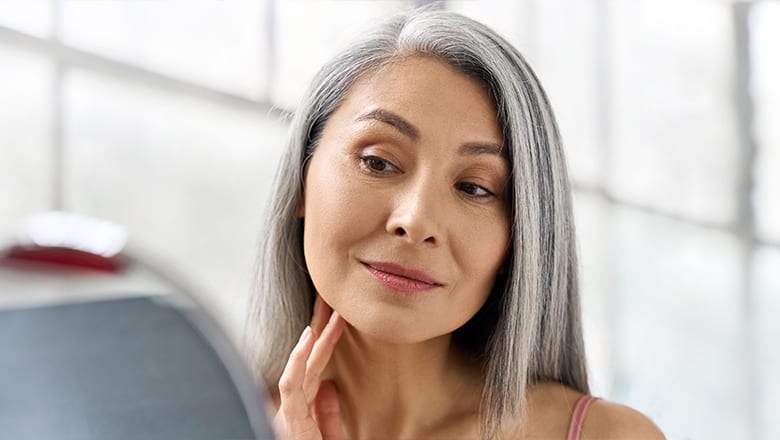
Not everyone who wants to enhance their appearance is willing to undergo surgery. Whether it’s due to cost, recovery time, medical conditions, or simply personal preference, many people today are seeking non-surgical alternatives to traditional cosmetic procedures. Fortunately, advances in aesthetic medicine and wellness have made it possible to achieve noticeable improvements without incisions, anesthesia, or long downtimes.
This article explores some of the most popular and effective non-surgical cosmetic treatments, including laser therapies, dermal fillers, radiofrequency technologies, and even targeted exercise routines. While these alternatives may not deliver the same permanent results as surgery, they offer safer, more accessible ways to enhance one’s appearance with fewer risks and faster recovery.
1. Laser Treatments: Precision Without Scalpels
Laser technology has become a cornerstone in non-invasive aesthetic procedures. Different types of lasers can be used to treat a wide range of skin and cosmetic concerns, including:
- Wrinkle reduction
- Sun damage and pigmentation
- Acne scars
- Hair removal
- Spider veins
- Skin tightening
For example, fractional CO₂ lasers promote collagen production by delivering heat deep into the skin, helping to reduce fine lines and improve texture. Intense Pulsed Light (IPL) is another option often used for treating hyperpigmentation, rosacea, and general skin rejuvenation.
Benefits:
- No incisions or sutures
- Minimal downtime (usually redness or mild swelling)
- Results appear gradually and improve with multiple sessions
Limitations:
- May require maintenance treatments
- Some discomfort during procedures
- Not suitable for all skin tones or types
2. Dermal Fillers: Volume and Contour Without Surgery
Dermal fillers are injectable gels used to restore lost volume, smooth out wrinkles, and enhance facial contours. Common ingredients include hyaluronic acid (a naturally occurring substance in the skin) and calcium hydroxylapatite.
Popular uses include:
- Plumping lips
- Softening nasolabial folds (smile lines)
- Adding volume to cheeks or jawline
- Filling under-eye hollows
Fillers are often combined with Botox (a muscle relaxant) for a more complete, non-surgical facial rejuvenation.
Benefits:
- Immediate visible results
- Quick procedure (often under 30 minutes)
- Customizable and reversible in many cases
Limitations:
- Temporary results (typically 6–18 months)
- Risk of bruising or swelling
- Must be performed by a qualified professional to avoid complications
3. Radiofrequency and Ultrasound Therapy: Tightening and Lifting
Non-surgical skin tightening technologies use radiofrequency (RF) or ultrasound energy to stimulate collagen production and improve skin elasticity. Devices such as Thermage, Ultherapy, or Morpheus8 deliver energy beneath the skin’s surface, causing tissue contraction and long-term firming.
Common treatment areas include:
- Face and neck (jowls, sagging skin, double chin)
- Abdomen (post-pregnancy laxity)
- Arms and thighs
Benefits:
- Gradual, natural-looking improvements
- Minimal discomfort and downtime
- Can delay the need for a surgical facelift or body lift
Limitations:
- Results are not as dramatic as surgery
- May require several sessions over time
- Best for mild to moderate skin laxity
4. Chemical Peels and Microneedling: Surface Renewal
While not “new,” chemical peels and microneedling remain effective non-surgical treatments for improving skin tone, texture, and clarity.
- Chemical peels involve applying a solution that exfoliates the outer layers of skin, helping to fade discoloration, acne scars, and fine lines.
- Microneedling uses tiny needles to create micro-injuries in the skin, stimulating collagen and improving elasticity and smoothness.
These treatments are often combined with serums or platelet-rich plasma (PRP) to enhance results.
Benefits:
- Improved skin quality and radiance
- Low cost compared to other treatments
- Safe for a wide range of skin types
Limitations:
- Peeling, redness, or mild irritation for a few days
- Not suitable for active skin infections or certain sensitivities
- Multiple sessions may be required
5. Targeted Exercise and Body Sculpting
While exercise can’t replace surgery or erase loose skin, targeted workouts can significantly improve body tone, posture, and muscle definition—particularly in areas like:
- Abdomen (core stability, flatness)
- Glutes (lifting and shaping)
- Arms and shoulders (tightening and toning)
Combining physical activity with body sculpting devices (e.g., EMSculpt, which uses electromagnetic stimulation to build muscle) can yield even better results.
Benefits:
- Enhances natural physique
- Promotes long-term health and weight control
- Non-invasive and safe for most people
Limitations:
- Results take time and consistency
- Less dramatic than liposuction or surgical contouring
- Requires proper technique and guidance to avoid injury
Conclusion: A Balanced Approach to Aesthetic Goals
Non-surgical cosmetic treatments offer a compelling balance between effectiveness, safety, and convenience. They are ideal for people seeking subtle, progressive improvements without the risks and downtime associated with traditional surgery. From laser resurfacing to injectable fillers and radiofrequency lifting, the range of options continues to grow with technological innovation.
However, it’s important to remember that results vary from person to person, and no procedure—surgical or not—can guarantee perfection. Always seek advice from qualified professionals to determine what’s appropriate for your goals, skin type, and overall health.
Non-invasive treatments are not about chasing unrealistic ideals—they’re about supporting your confidence in a safe, informed, and balanced way.