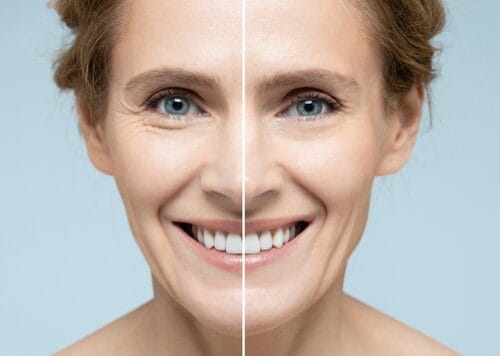
In the world of skincare, two ingredients are often highlighted as game changers: hyaluronic acid and retinol. While both are highly effective, they work in completely different ways. Understanding their differences, benefits, and how to use them properly can help you build a routine that truly benefits your skin.
What Is Hyaluronic Acid?
A Natural Hydration Booster
Hyaluronic acid (HA) is a substance naturally produced by your body, found in your skin, eyes, and connective tissues. Its primary function is to retain moisture—in fact, it can hold up to 1,000 times its weight in water.
How It Works in Skincare
When applied topically, hyaluronic acid:
- Attracts and locks moisture into the skin
- Improves elasticity and suppleness
- Creates a plump, hydrated appearance
Unlike many active ingredients, HA is gentle and suitable for all skin types, even sensitive or acne-prone skin.
What Is Retinol?
A Vitamin A Derivative
Retinol is a form of vitamin A widely used in skincare for its anti-aging properties. It works by accelerating cell turnover, helping to shed old skin cells and encourage the growth of new ones.
Benefits of Retinol
- Reduces fine lines and wrinkles
- Improves skin texture and tone
- Fades dark spots and hyperpigmentation
- Stimulates collagen production for firmer skin
Because it is a potent active ingredient, retinol should be introduced gradually to avoid irritation.
Key Differences Between Hyaluronic Acid and Retinol
1. Function
- Hyaluronic Acid: Hydrates and plumps the skin.
- Retinol: Repairs and renews the skin by increasing cell turnover.
2. How Fast You See Results
- HA: Effects are visible almost immediately as it hydrates the skin surface.
- Retinol: Results appear over time, typically after 6–12 weeks of consistent use.
3. Skin Tolerance
- HA: Generally non-irritating and safe for daily use.
- Retinol: Can cause redness, flaking, and sensitivity, especially in the beginning.
4. Best Age to Start
- HA: Can be used at any age to maintain hydration.
- Retinol: Commonly recommended from your mid-20s or 30s as a preventive and corrective treatment for signs of aging.
Can You Use Hyaluronic Acid and Retinol Together?
Yes, they complement each other perfectly when layered correctly:
- Apply retinol first to penetrate and work on deeper layers of the skin.
- Follow with hyaluronic acid to add hydration and minimize dryness caused by retinol.
This combination can maximize anti-aging benefits while reducing potential irritation.
How to Use Hyaluronic Acid in Your Routine
When to Apply
- Morning and evening after cleansing and toning
- Apply to slightly damp skin to enhance absorption
What to Pair It With
Hyaluronic acid works well with almost every ingredient, including:
- Vitamin C
- Peptides
- Retinol
Just be sure to seal it with a moisturizer to lock in hydration.
How to Use Retinol Safely
Start Slowly
- Begin with 2–3 times per week, then increase frequency as your skin adjusts.
- Always apply retinol at night, as it can make your skin more sensitive to sunlight.
Pair with Sunscreen
Retinol increases sun sensitivity, so daily SPF 30 or higher is non-negotiable.
Avoid Mixing With Certain Actives
Do not use retinol with benzoyl peroxide or strong exfoliating acids in the same routine—they can cause excessive dryness and irritation.
Who Should Use Hyaluronic Acid?
- Dry or dehydrated skin: Instantly improves comfort and plumpness.
- Sensitive skin: Soothes without triggering reactions.
- Anyone: Works as a universal hydrator for every skin type.
Who Should Use Retinol?
- People concerned about aging: Reduces wrinkles and sagging.
- Individuals with uneven skin tone or acne scars: Helps fade spots and smooth texture.
- Those willing to commit: Consistency is key for visible results.
Common Myths About Hyaluronic Acid and Retinol
Myth 1: Hyaluronic Acid Exfoliates the Skin
Truth: HA does not exfoliate. It is purely a hydrator.
Myth 2: Retinol Thins the Skin
Truth: Retinol may cause initial peeling, but it actually thickens the dermis by boosting collagen.
Myth 3: You Can’t Use Them Together
Truth: Using both in the same routine can be highly effective if layered correctly.
Conclusion: Which One Should You Choose?
You don’t necessarily have to choose between hyaluronic acid and retinol—they serve different purposes and work beautifully together.
- Use hyaluronic acid for deep hydration and immediate plumping.
- Use retinol to address long-term concerns like wrinkles, pigmentation, and loss of firmness.
With the right application and consistency, these two skincare powerhouses can transform your skin for the better.