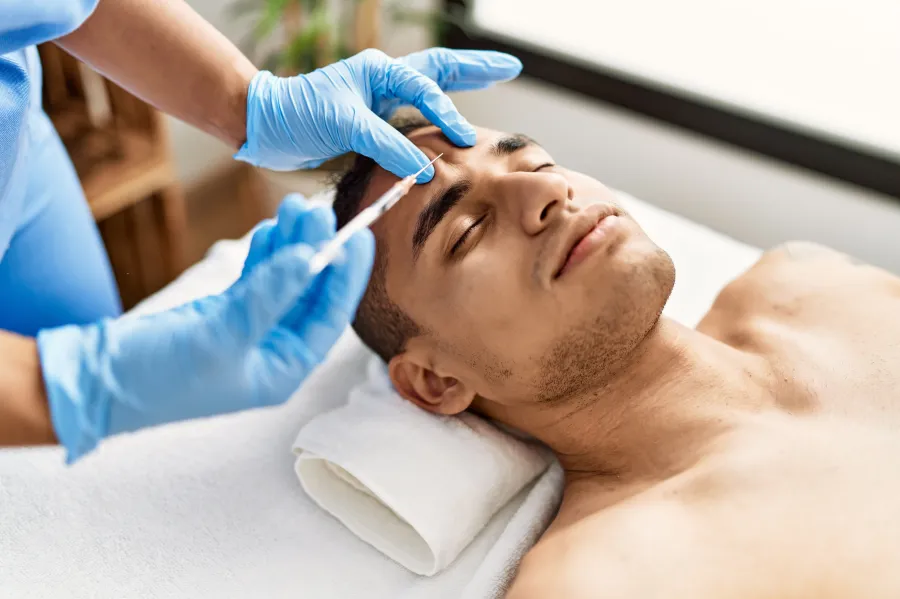
Cosmetic surgery has become increasingly common around the world, with millions of people undergoing procedures each year to alter or enhance their physical appearance. From rhinoplasties and liposuctions to facelifts and breast augmentations, modern surgical techniques can reshape the body with precision. But while the physical changes may be visible, the psychological effects of cosmetic surgery are often less discussed—and more complex.
In this article, we explore the emotional and psychological impact of cosmetic procedures, examining how surgery can both positively and negatively influence a person’s mental well-being. Through clinical insights and real-world observations, we aim to present a balanced view of what patients may experience before and after undergoing cosmetic enhancements.
The Positive Psychological Effects of Cosmetic Surgery
For many individuals, cosmetic surgery can lead to increased self-confidence, improved body image, and greater satisfaction with life. These positive outcomes often occur when the patient:
- Has realistic expectations about the results
- Chooses surgery for personal, not external, reasons
- Undergoes a procedure that resolves a long-standing insecurity
Several studies support these benefits. A 2013 review published in Clinical Psychological Science found that many patients reported improved quality of life, reduced social anxiety, and greater self-esteem after surgery. Some even reported enhanced personal and professional relationships.
For example:
- A patient who had struggled with bullying due to a prominent nose might feel more comfortable in social situations after a rhinoplasty.
- Someone who experienced changes in their body after childbirth might regain a sense of normalcy or personal identity through body contouring.
In such cases, cosmetic surgery acts as a catalyst for emotional healing, allowing the person to move forward with more confidence.
When Surgery Doesn’t Help—or Makes Things Worse
However, not all experiences are positive. Some individuals report feeling disappointed, anxious, or even depressed after surgery—especially if the outcome did not meet their expectations, or if deeper psychological issues were not addressed beforehand.
Negative psychological outcomes may include:
- Body dysmorphic disorder (BDD): A mental health condition in which a person is preoccupied with perceived flaws in their appearance. Cosmetic surgery often fails to resolve the underlying distress in these cases, and may even make it worse.
- Post-surgical depression: Some patients experience a temporary drop in mood after surgery, especially during the healing process when results are not yet visible and physical discomfort is high.
- Regret or dissatisfaction: If the procedure results are subtle, uneven, or not aligned with the patient’s expectations, this can lead to emotional distress or a desire for further (and sometimes unnecessary) surgeries.
Research from the American Psychological Association has shown that patients with unrealistic goals or poor mental health histories prior to surgery are more likely to experience negative emotional outcomes afterward.
Psychological Screening and Pre-Surgery Assessment
To avoid adverse outcomes, many responsible surgeons include a psychological evaluation as part of the pre-surgical consultation. This may include:
- Asking about the patient’s motivations for surgery
- Reviewing mental health history (e.g., depression, anxiety, BDD)
- Setting clear, realistic expectations about what surgery can and cannot achieve
Some plastic surgeons work in collaboration with psychologists or psychiatrists, particularly in cases where emotional concerns are prominent. This multidisciplinary approach helps ensure that patients are making informed decisions for the right reasons.
The Role of Expectations and Motivation
A key factor in the psychological outcome of cosmetic surgery is the patient’s mindset before the procedure. People who undergo surgery because they want to enhance their own self-image or correct something that genuinely bothers them tend to report better outcomes than those seeking approval from others or hoping to fix unrelated life problems.
For instance, someone who believes, «If I get a facelift, my marriage will improve,» may place unrealistic emotional weight on the procedure. If those expectations are not met, the emotional fallout can be significant.
Experts agree that cosmetic surgery can enhance emotional well-being, but it cannot create happiness on its own. It’s not a solution for low self-worth, relationship problems, or psychological trauma.
Recovery Period: An Emotional Rollercoaster
The recovery period after surgery can also be emotionally challenging. Patients may experience:
- Swelling, bruising, or discomfort that temporarily affects self-image
- Anxiety about whether the results will meet their hopes
- Isolation due to limited physical activity or time away from social life
These reactions are normal and usually temporary. However, it’s important for patients to be prepared for this emotional adjustment period, and to have support from family, friends, or a therapist if needed.
Long-Term Psychological Impact
In the long run, the psychological effects of cosmetic surgery depend on a variety of factors, including:
- The quality of the surgical results
- The patient’s mental health before and after surgery
- Social support and self-acceptance
For many, the outcome is positive: improved self-image, increased confidence, and reduced distress about appearance. For others, particularly those who seek repeated surgeries or focus obsessively on flaws, cosmetic procedures can lead to a cycle of dissatisfaction.
Conclusion: Cosmetic Surgery and Mental Health Go Hand in Hand
Cosmetic surgery can be a valuable tool for people seeking to feel more comfortable in their own skin. When done thoughtfully, with clear intentions and professional guidance, it can improve emotional well-being and quality of life.
However, it’s equally important to recognize that surgery is not a cure-all. Mental health, self-esteem, and body image are complex and deeply personal. Anyone considering cosmetic procedures should take the time to reflect on their motivations, speak openly with qualified professionals, and understand both the physical and emotional aspects of the journey.
Feeling good about yourself starts from within—and while surgery can support that process, it shouldn’t be the foundation of your happiness.