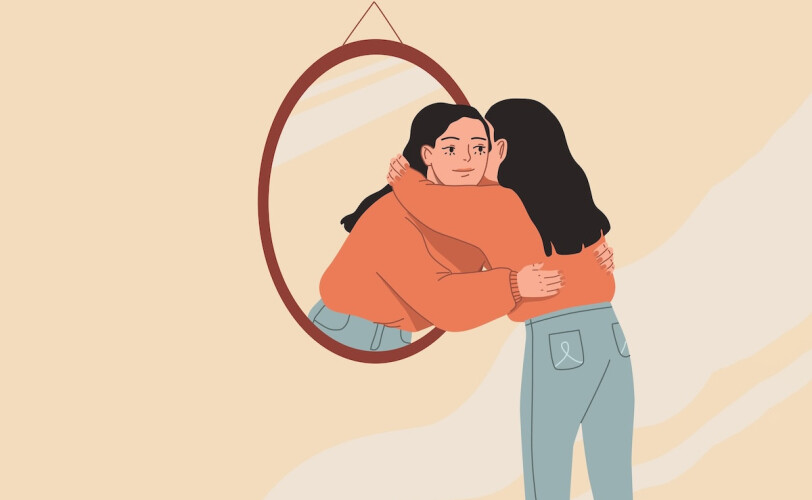
Our appearance is one of the first things people notice about us—but more importantly, it’s something we live with every day. How we perceive our own body—our body image—can have a powerful effect on our self-esteem, shaping the way we think, feel, and behave in both personal and social contexts.
While body image and self-esteem are separate concepts, they are closely connected. A positive or negative view of one’s physical self often contributes directly to one’s broader sense of worth. In today’s world, where appearance is often emphasized in media and society, understanding this connection is more important than ever.
What Is Body Image?
Body image refers to the mental picture you have of your body—how you see yourself when you look in the mirror or imagine yourself in your mind. It includes:
- Perceptual body image: How you see your body (which may not reflect reality)
- Affective body image: How you feel about your body’s shape, size, and appearance
- Cognitive body image: What you think about your body (beliefs and attitudes)
- Behavioral body image: The actions you take as a result of your body perceptions (e.g., avoiding mirrors, dieting, or excessive grooming)
Body image can be positive (acceptance, appreciation) or negative (distortion, dissatisfaction), and is influenced by many factors: culture, media, family, peers, and personal experiences.
What Is Self-Esteem?
Self-esteem is your overall opinion of yourself—how much you value yourself as a person. It includes beliefs about your abilities, your personality, your achievements, and yes, your physical appearance.
According to psychologist Morris Rosenberg, self-esteem is the degree to which we feel confident, capable, and worthy of love or respect. It is a foundational element of mental health and affects our motivation, relationships, and ability to cope with challenges.
The Link Between Body Image and Self-Esteem
For many people, appearance is a central component of self-esteem. Research has shown that dissatisfaction with body image—especially in adolescence and early adulthood—can lower self-esteem, increase anxiety, and even lead to depression or eating disorders.
A 2021 review published in Body Image: An International Journal of Research found strong associations between body dissatisfaction and low self-esteem, particularly among women, but increasingly among men as well. The study highlighted how social media exposure, unrealistic beauty standards, and peer comparison play significant roles in shaping negative body perceptions.
Importantly, this link is bidirectional: poor self-esteem can also cause a person to focus more on perceived flaws, amplifying negative body image.
How Body Image Affects Emotional Well-being
- Mood and Mental Health
Negative body image is associated with a greater risk of depression, social withdrawal, and poor self-care. Individuals who view their bodies critically may avoid activities they enjoy or isolate themselves due to shame or embarrassment. - Social Confidence
People with poor body image may feel less confident in social interactions, romantic relationships, or professional settings. They might perceive themselves as “less attractive” or “less worthy,” even when this isn’t objectively true. - Eating Behaviors and Disorders
A distorted body image is a key factor in the development of eating disorders like anorexia nervosa, bulimia, and binge eating disorder. These conditions are serious mental health issues with complex causes but often begin with body dissatisfaction. - Self-Compassion and Resilience
On the other hand, individuals with a positive body image tend to show more self-compassion, resilience, and overall life satisfaction. They are less likely to tie their worth solely to appearance and more likely to engage in healthy behaviors.
The Role of Culture and Media
Cultural ideals and media representations of beauty have a significant impact on how people evaluate themselves. Constant exposure to “perfect” bodies—often digitally altered or surgically enhanced—can make people feel inadequate by comparison.
Social media platforms, in particular, have intensified this effect. Filters, curated images, and appearance-focused content may distort reality and increase body comparison, especially among adolescents and young adults.
Psychologist Dr. Jean Twenge has noted that the rise in social media use has coincided with an increase in body dissatisfaction and anxiety, particularly among teenage girls.
Improving Body Image and Self-Esteem
Though body image concerns are common, they are not unchangeable. Many people learn to build a healthier relationship with their bodies and improve their self-esteem over time. Strategies include:
- Limiting exposure to unrealistic media and curating a more body-positive social feed
- Practicing self-compassion, focusing on what the body can do rather than how it looks
- Seeking professional support such as therapy or counseling to challenge negative thoughts
- Surrounding yourself with supportive people who reinforce positive self-worth
- Engaging in physical activity not to change appearance, but to feel strong, healthy, and empowered
Cosmetic Surgery and Self-Esteem: A Complex Relationship
Some individuals consider cosmetic surgery as a way to improve body image and self-confidence. For certain people, especially those with long-standing dissatisfaction tied to a specific feature, surgery can contribute to improved self-esteem—if done for the right reasons and with realistic expectations.
However, surgery is not a cure-all. If low self-esteem stems from deeper emotional issues, changing the body alone may not bring long-term satisfaction. Psychological support and self-reflection are important parts of the decision-making process.
Conclusion
The connection between self-esteem and body image is deep and multifaceted. While appearance can play a powerful role in how we view ourselves, it does not define our value. Recognizing and challenging unrealistic standards, nurturing self-respect, and practicing body acceptance are key steps toward emotional well-being.
Everyone deserves to feel good in their own skin—not because they meet a certain standard, but because they recognize their inherent worth beyond the mirror.
This article is intended for educational purposes and does not replace medical or psychological advice. If you’re struggling with self-esteem or body image concerns, consult a licensed mental health professional.